
Framework

Art / Technology / Research

Medium

Augmented Reality

Built with

Unity / Google AR Foundation

Year

2020

Translating narratives into spatial experiences through augmented reality.

‘INVISIBLE CITIES — AR’ is a spatial reinterpretation of selected cities from the book Invisible Cities, by Italo Calvino.

Developed as a research-driven initiative, the project aimed to explore the creative and narrative possibilities of augmented reality as a tool for communication—translating abstract concepts into experiences that can be perceived rather than described.

Framework

Art / Technology / Research

Medium

Augmented Reality

Built with

Unity / Google AR Foundation

Year

2020

Translating narratives into spatial experiences through augmented reality.

‘INVISIBLE CITIES — AR’ is a spatial reinterpretation of selected cities from the book Invisible Cities, by Italo Calvino.

Developed as a research-driven initiative, the project aimed to explore the creative and narrative possibilities of augmented reality as a tool for communication—translating abstract concepts into experiences that can be perceived rather than described.

Framework

Art / Technology / Research

Medium

Augmented Reality

Built with

Unity / Google AR Foundation

Year

2020

Translating narratives into spatial experiences through augmented reality.

‘INVISIBLE CITIES — AR’ is a spatial reinterpretation of selected cities from the book Invisible Cities, by Italo Calvino.

Developed as a research-driven initiative, the project aimed to explore the creative and narrative possibilities of augmented reality as a tool for communication—translating abstract concepts into experiences that can be perceived rather than described.

01

The Approach

Screens become the window to a previously undiscovered reality.

Calvino’s cities move beyond words and images, emerging as spatial experiences embedded within the physical world—inhabiting a new realm between the virtual and the real.

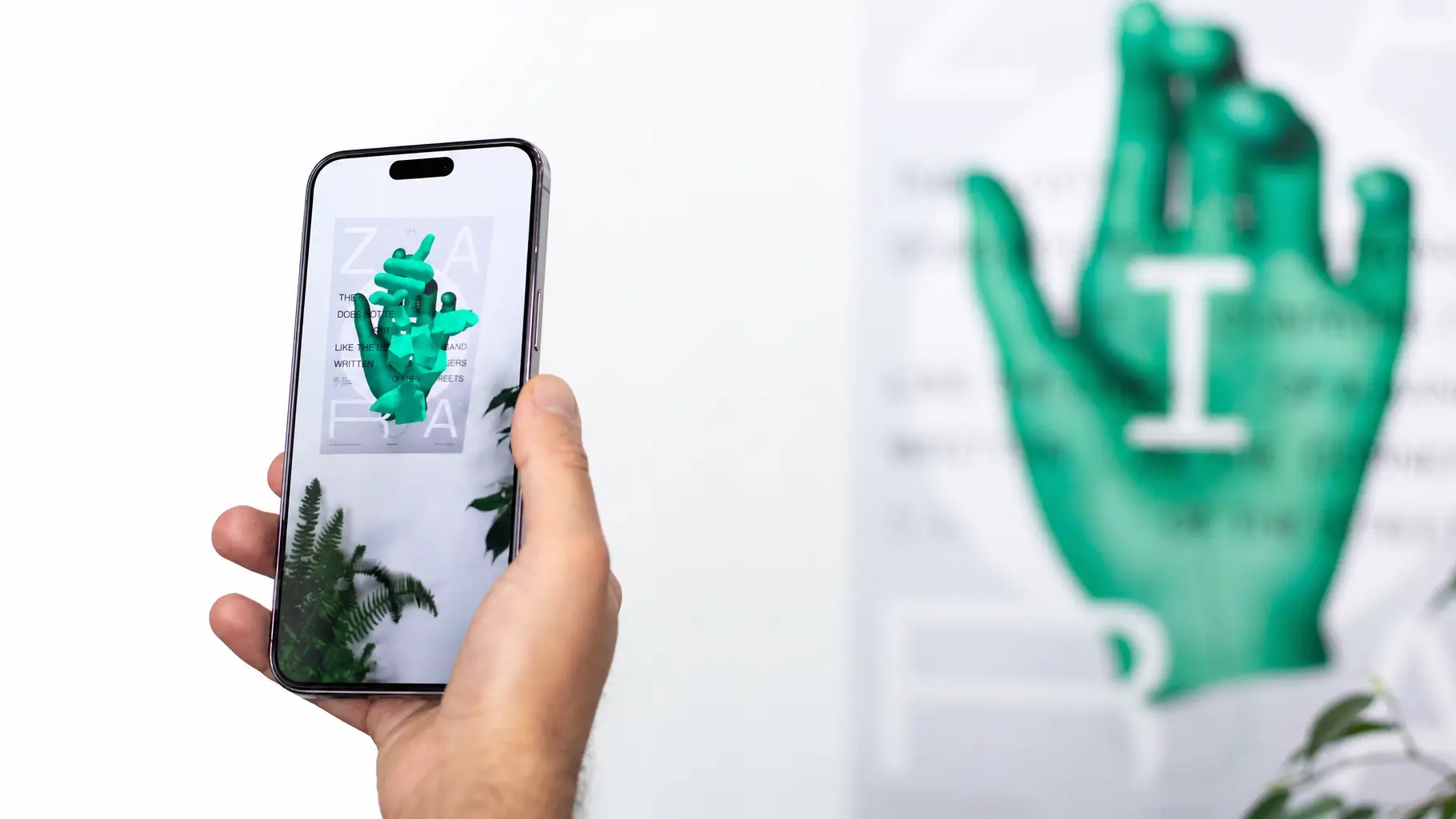
The device becomes a window into another layer of reality.

Through it, Calvino’s cities shift from description to experience—appearing as spatial fragments within the physical world.

Each interpretation reduces a city to a core idea: a gesture, a structure, or a rule.


The screen becomes a threshold. Through it, the cities stop being descriptions and begin to exist as spatial fragments—layered over the physical environment.


Tablets and mobile devices become the window to a previously undiscovered reality in which Calvino's cities cease to be represented merely as words and images and become entities of a new virtual realm.


The device becomes a window into another layer of reality.

Through it, Calvino’s cities shift from description to experience—appearing as spatial fragments within the physical world.

Each interpretation reduces a city to a core idea: a gesture, a structure, or a rule.


The screen becomes a threshold. Through it, the cities stop being descriptions and begin to exist as spatial fragments—layered over the physical environment.


Tablets and mobile devices become the window to a previously undiscovered reality in which Calvino's cities cease to be represented merely as words and images and become entities of a new virtual realm.


02

The Cities

In the book, the dialogues between Marco Polo and Kublai Khan work as a guiding thread for the author to describe the different cities that the venetian merchant has visited throughout his travels.

These places are not real, but embody a timeless idea of ‘the city’ in which, each interpretation reduces a city to a core idea: a gesture, a structure, or a rule.

In the book, the dialogues between Marco Polo and Kublai Khan work as a guiding thread for the author to describe the different cities that the venetian merchant has visited throughout his travels.

These places are not real, but embody a timeless idea of ‘the city’ in which, each interpretation reduces a city to a core idea: a gesture, a structure, or a rule.

In the book, the dialogues between Marco Polo and Kublai Khan work as a guiding thread for the author to describe the different cities that the venetian merchant has visited throughout his travels.

These places are not real, but embody a timeless idea of ‘the city’ in which, each interpretation reduces a city to a core idea: a gesture, a structure, or a rule.

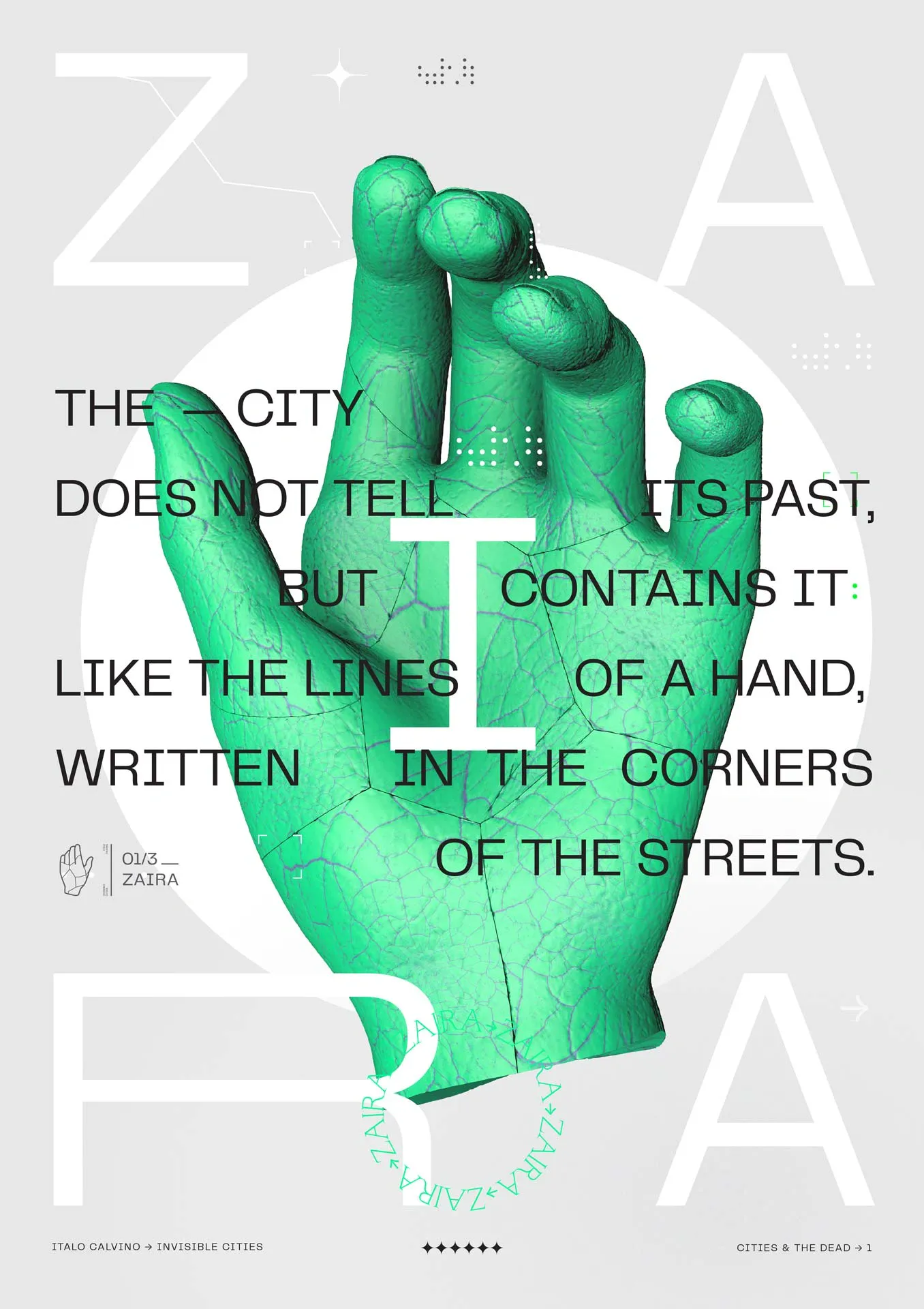
Zaira

«The city does not tell its past, but contains it like the lines of a hand, written in the corners of the streets.»

Interpreted as a surface of memory—where history is embedded, not shown.
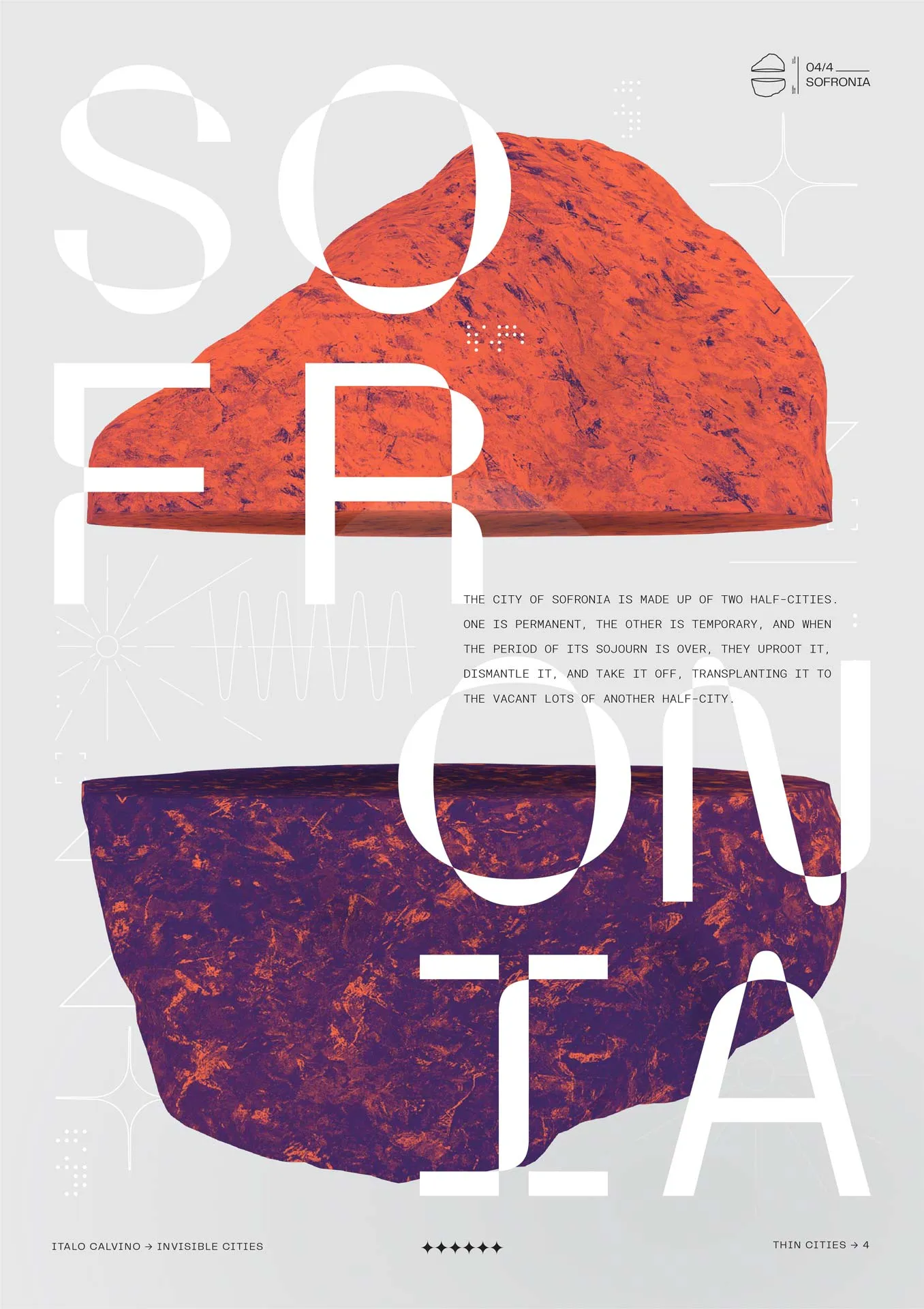
Sofronia

«The city of Sofronia is made up of two half-cities.
One is permanent, the other is temporary, and when the period of its sojourn is over, they uproot it, dismantle it, and take it off, transplanting it to the vacant lots of another half-city.»

Interpreted as a surface of memory—where history is embedded, not shown.
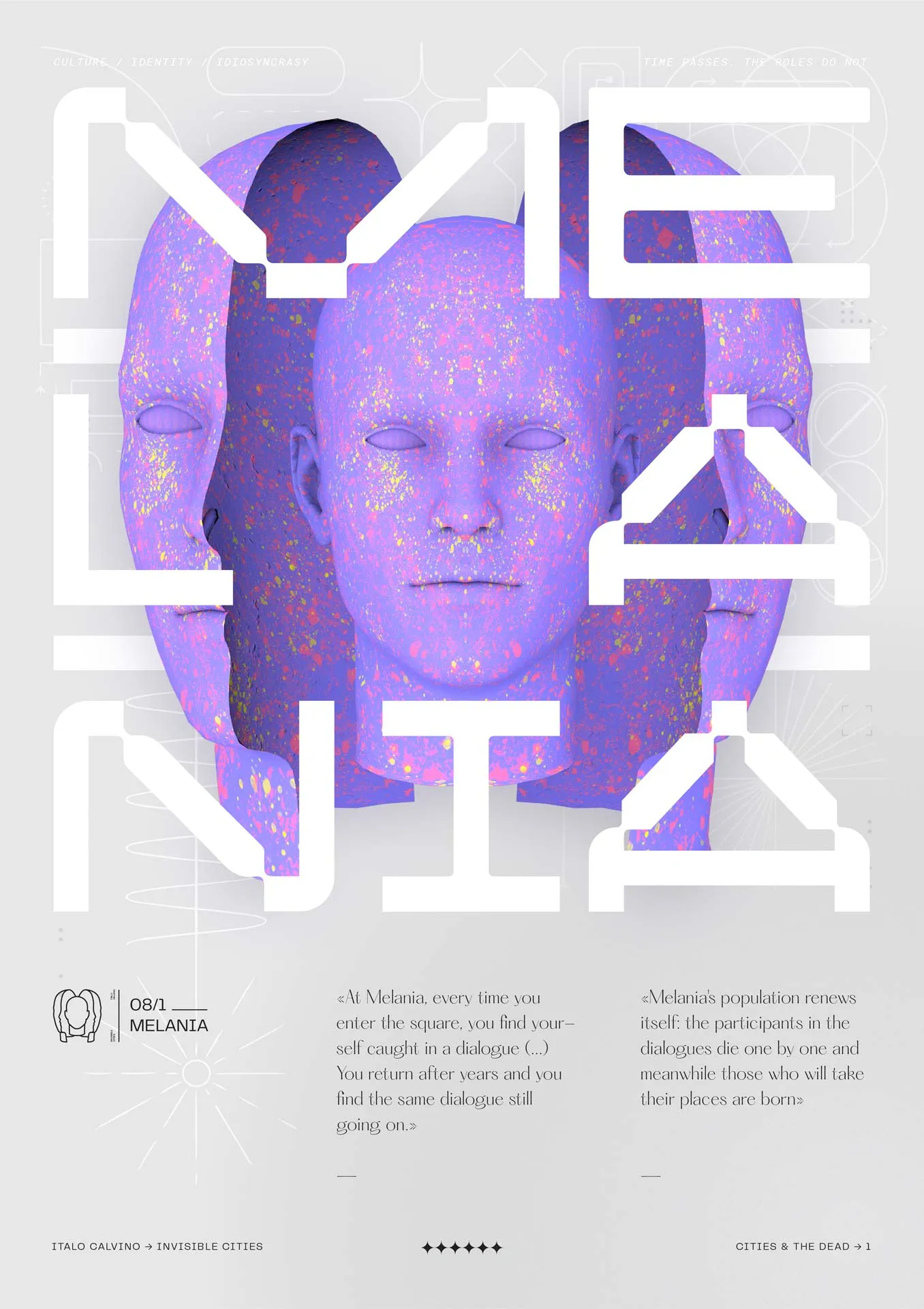
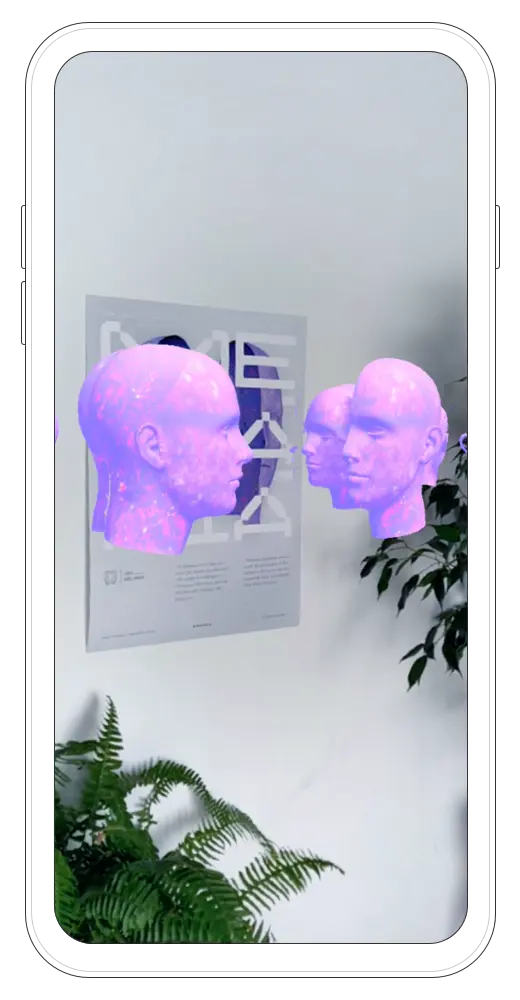
Melania

«At Melania, every time you enter the square, you find yourself caught in a dialogue (...) You return after years and you find the same dialogue still going on.»

Interpreted as a surface of memory—where history is embedded, not shown.
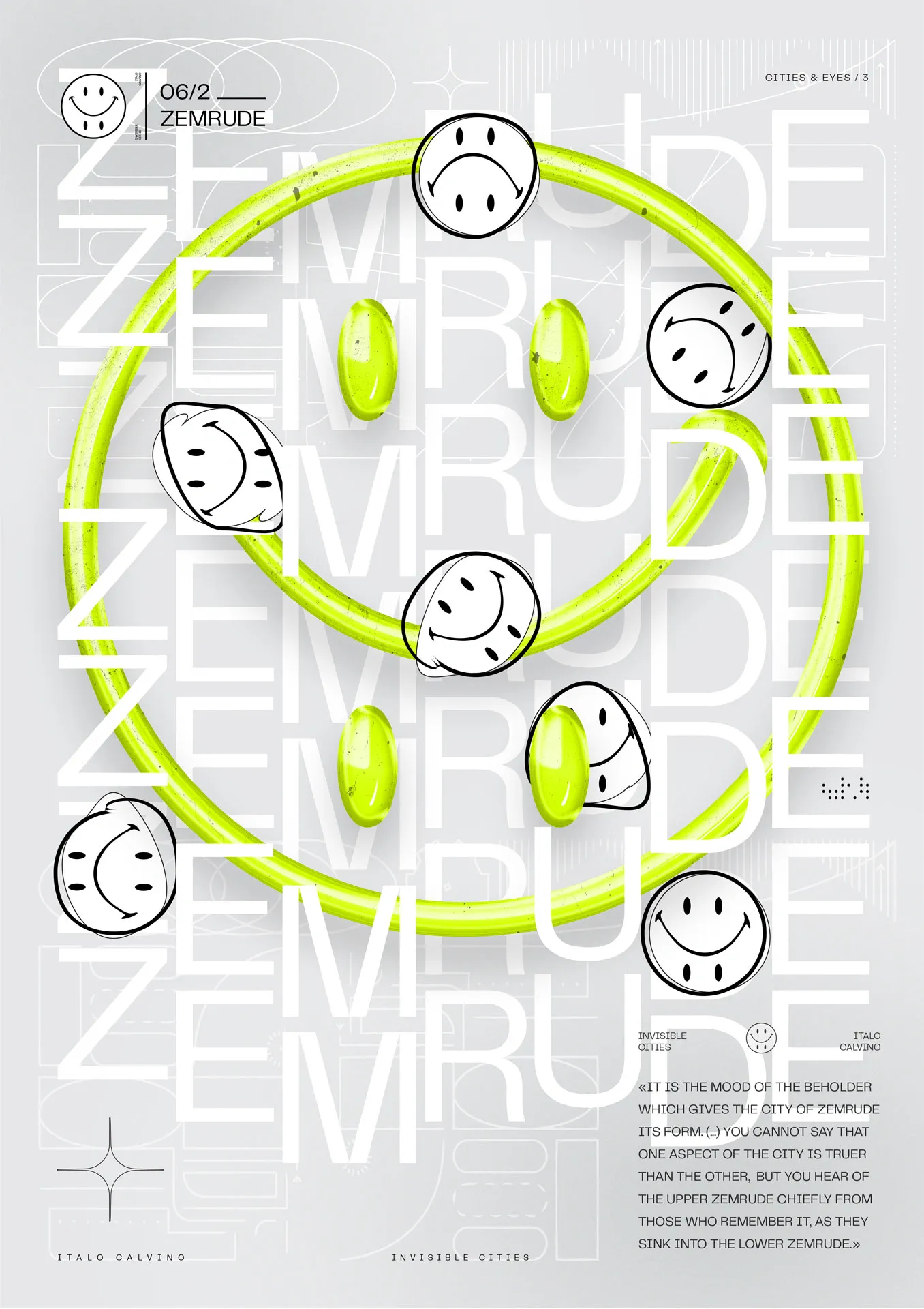
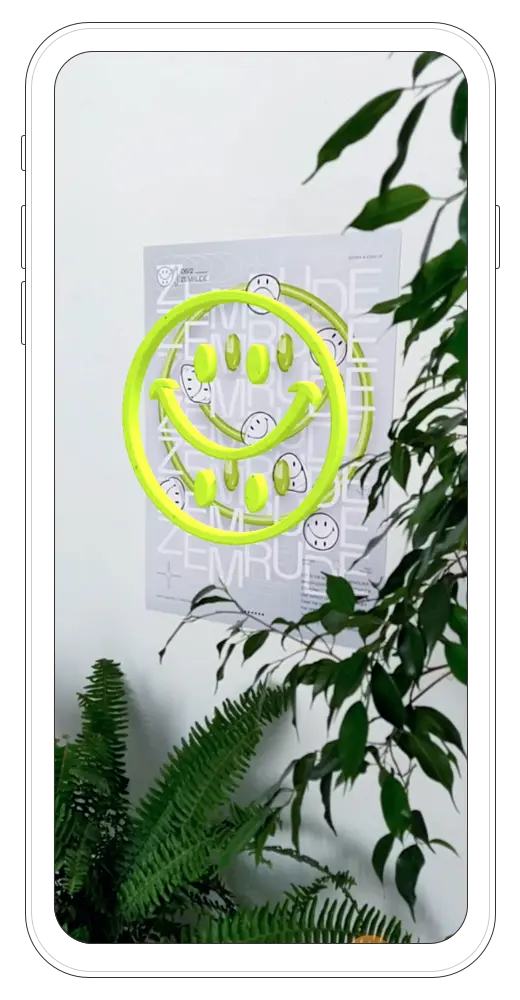
Zemrude

«It is the mood of the beholder which gives the city of Zemrude its form. (...) You cannot say that one aspect of the city is truer than the other, but you hear of the upper Zemrude chiefly from those who remember it, as they sink into the lower Zemrude.»

Interpreted as a surface of memory—where history is embedded, not shown.
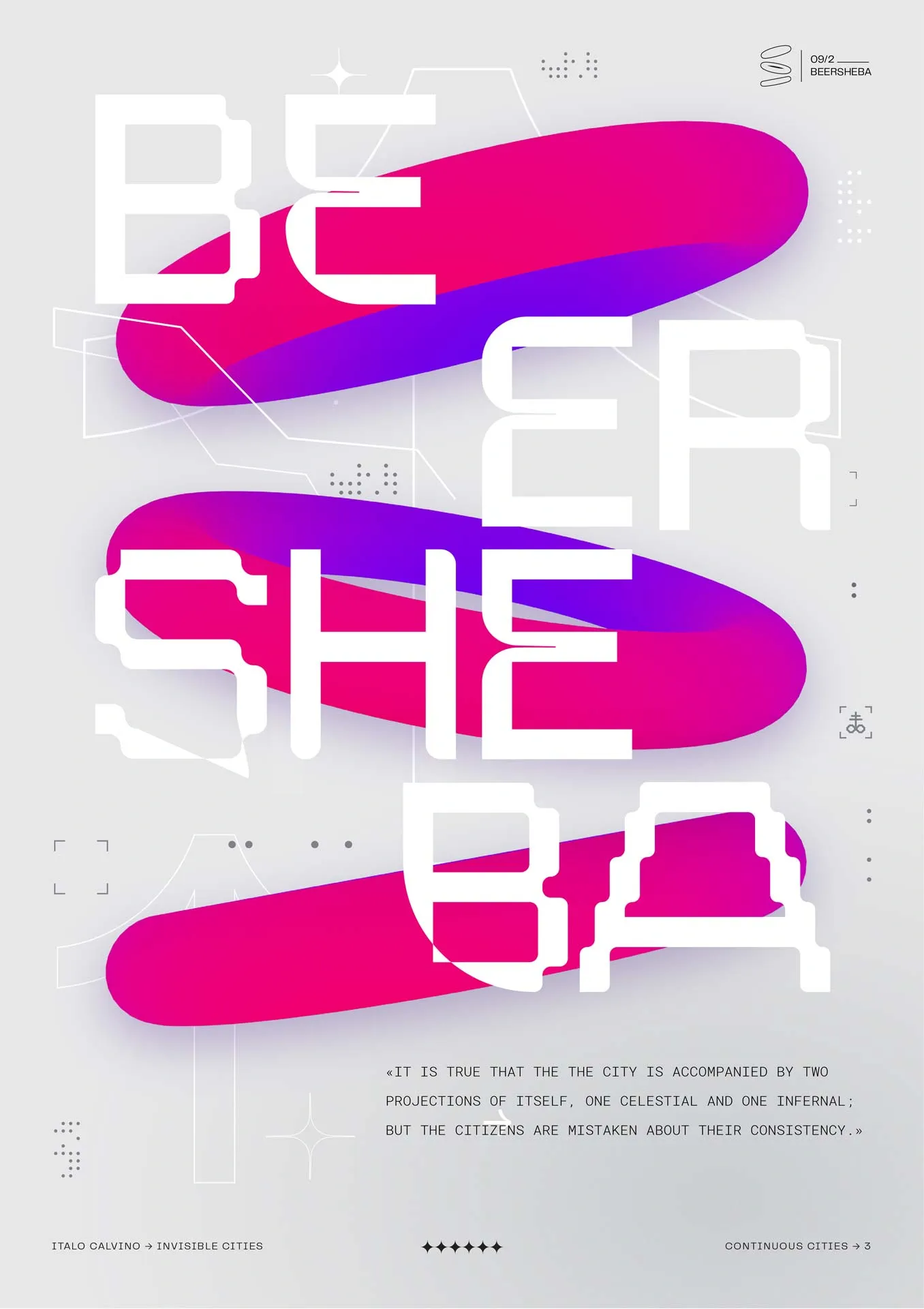
Beersheba

«It is true that the The city is accompanied by two
projections of itself, one celestial and one infernal;
but the citizens are mistaken about their consistency.»

Interpreted as a surface of memory—where history is embedded, not shown.
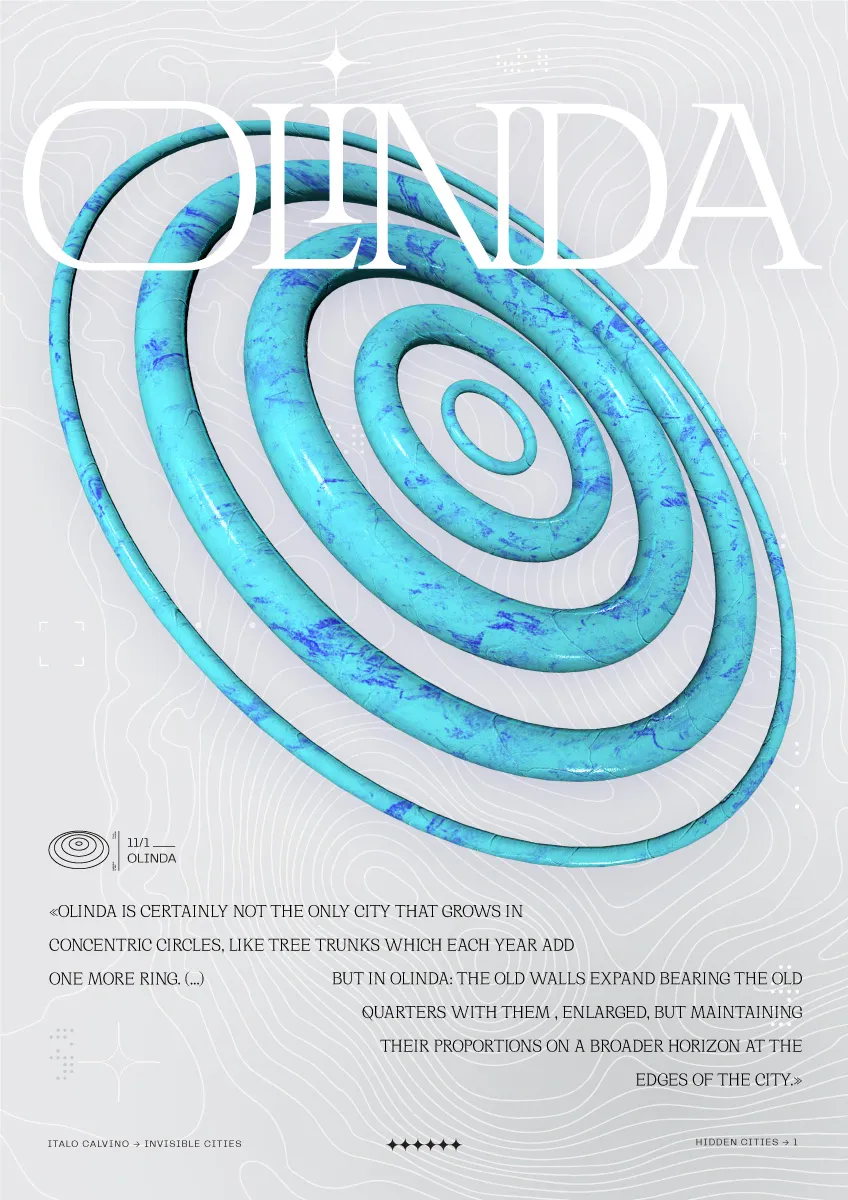
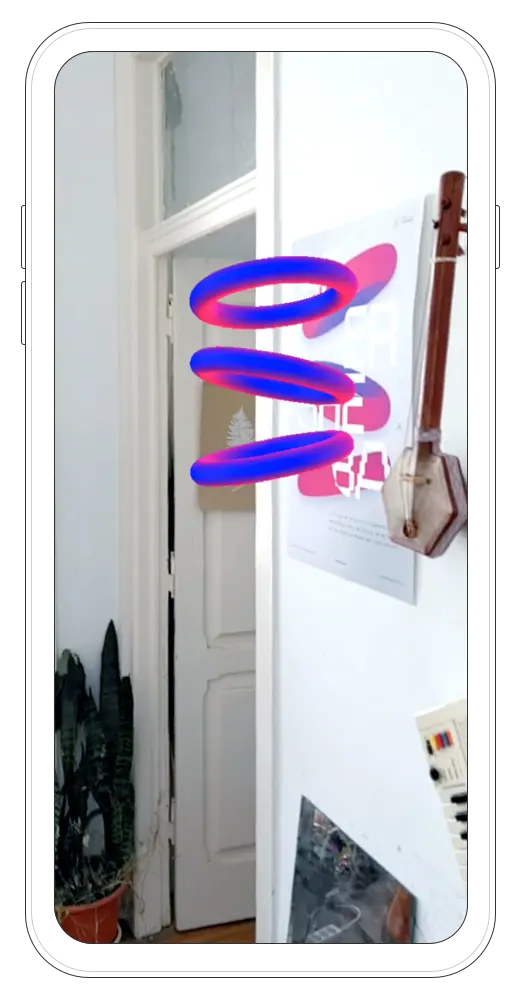
Olinda

«Olinda is certainly not the only city that grows in concentric circles, like tree trunks which each year add one more ring. But In Olinda: the old walls expand bearing the old quarters with them, enlarged, but maintaining their proportions on a broader horizon at the edges of the city.»

Interpreted as a surface of memory—where history is embedded, not shown.
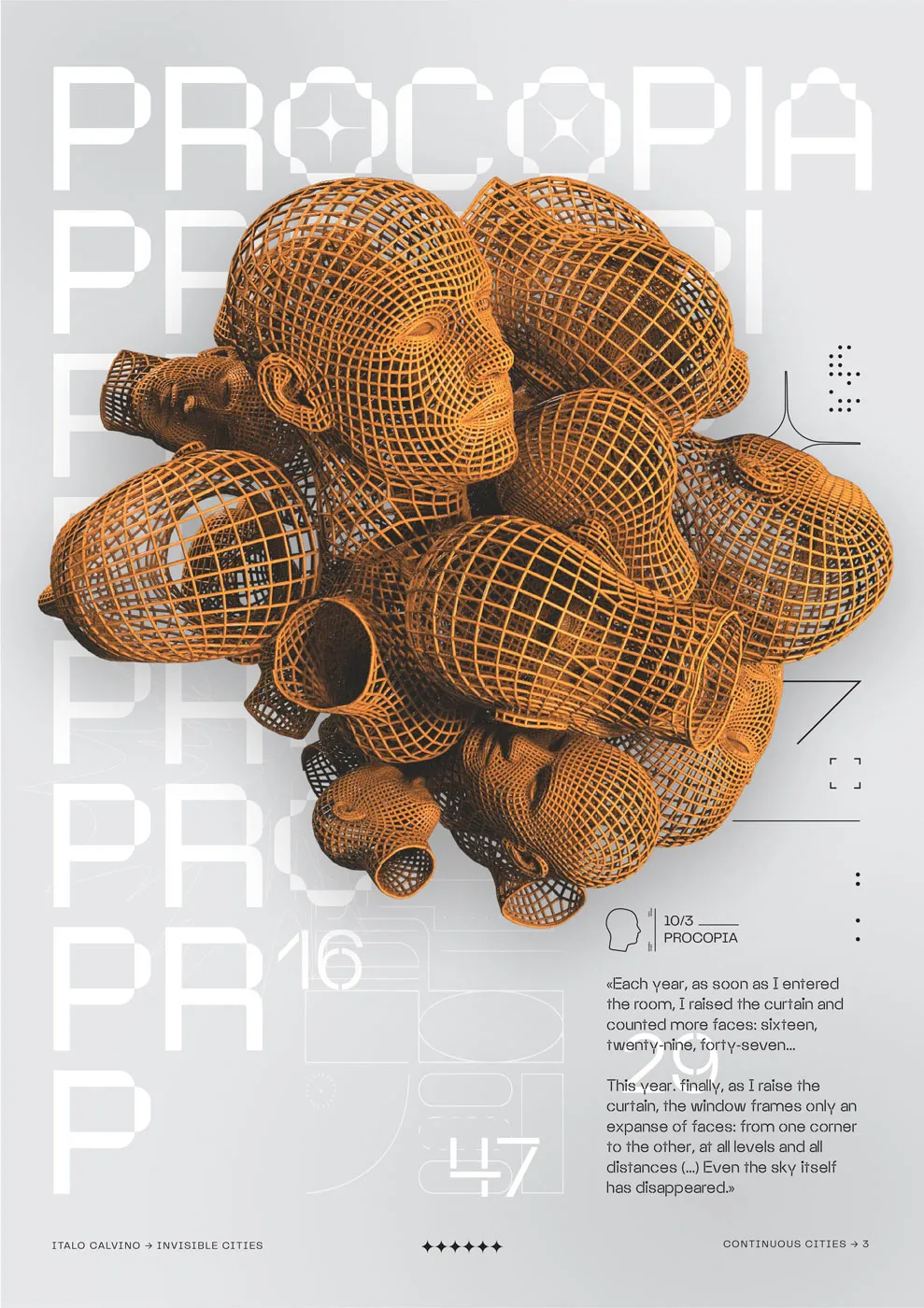
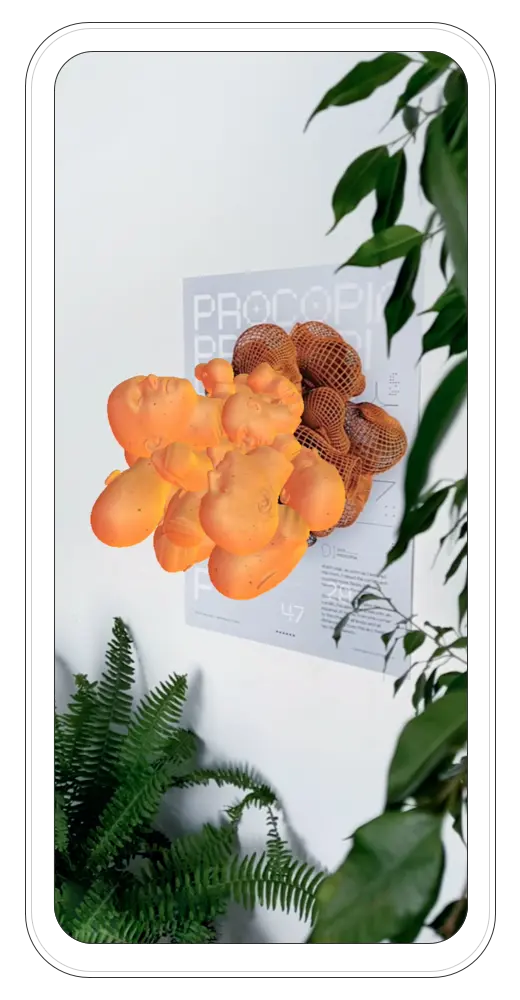
Procopia

«Each year, as soon as I entered the room, I raised the curtain and counted more faces: sixteen, twenty-nine, forty-seven... This year. finally, as I raise the curtain, the window frames only an expanse of faces: from one corner to the other, at all levels and all
distances (...) Even the sky itself has disappeared.»

Interpreted as a surface of memory—where history is embedded, not shown.

Copyright © Raul Rey - 2026

MADRID TIME

-

11:32:15 AM